-


- Industries
-
Ordering
Food Grocery Home Services -
Delivery & Dispatch
Pick Up & Delivery Courier Delivery 3PL Delivery Dispatch -
Consultation
Telemedicine Fitness Legal Consultation -
Mobility
Taxi Software App Like Uber Car Rental -
Customer Engagement
Conversational support WhatsApp Marketing Customer Acquisition -
Sales Engagement
Inbound Sales Pipeline Management Sales Performance Analytics
Explore All Industries
-
-
Learn
- Partner
- Pricing







Blog Yelo
Yelo
How Hyperlocal Delivery Is Changing Urban E-commerce: Trends and Predictions for 2026
The retail landscape has undergone a dramatic transformation. As we move through 2026, traditional e-commerce models are giving way to faster, more localized experiences. What once felt impressive—two-day delivery—now feels outdated. Today, hyperlocal delivery e-commerce has become the defining force behind how urban consumers shop, consume, and interact with brands.
For businesses leveraging the JungleWorks hyperlocal stack, this shift represents a powerful opportunity to dominate city-level demand. This article explores the trends, technologies, and predictions shaping urban commerce in a world where speed, proximity, and precision matter more than ever.
The Rise of the 15-Minute Economy
Urban life in 2026 revolves around immediacy. Thanks to advanced logistics infrastructure and widespread 5G connectivity, the “15-minute economy” is now a baseline expectation, not a premium service. Consumers want essentials—groceries, medicines, beauty products—delivered almost instantly.
Instead of depending on distant warehouses, brands now rely on neighborhood-based fulfillment. A bike covering a few blocks replaces a delivery van traveling miles. This behavioral shift explains why hyperlocal delivery e-commerce is redefining purchasing habits, encouraging consumers to buy on demand rather than stock up.
1. Hyperlocal Distribution and Dark Stores
Cities are being quietly reshaped by hyperlocal infrastructure. Retailers are moving away from high-rent storefronts and investing in dark stores—retail spaces designed exclusively for online order fulfillment.
Why Dark Stores Matter
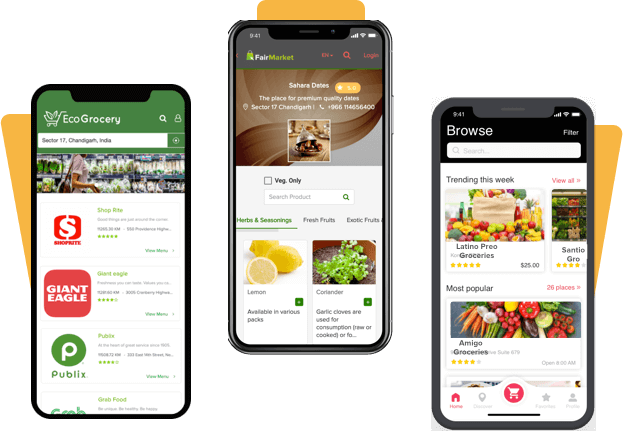
Dark stores are strategically placed in high-density neighborhoods, allowing brands to fulfill orders with exceptional speed and accuracy. Using Yelo’s multi-merchant marketplace, businesses can manage multiple dark stores as independent yet connected inventory nodes.
By 2026, dark stores are no longer limited to groceries. Electronics, beauty, fashion, and pharmacy items are all stocked locally. This model has become central to hyperlocal delivery e-commerce, enabling near-perfect order accuracy and faster inventory turnover.
Real-Time Inventory Precision
Managing decentralized inventory requires real-time syncing. When a product appears “in stock” on a customer’s app, it must physically exist in the nearest fulfillment hub. This level of accuracy builds trust and reliability—key pillars of successful hyperlocal delivery e-commerce platforms.
2. AI-Driven Route Optimization for Last-Mile Delivery
Speed alone is not enough. Profitability depends on efficiency, especially in congested urban environments. This is where AI-powered last-mile logistics, enabled by Tookan, plays a crucial role.
Smarter Urban Navigation
Modern cities are unpredictable. Traffic congestion, road closures, and weather disruptions can derail delivery timelines. Tookan’s AI analyzes historical patterns and real-time data to predict disruptions and dynamically reroute drivers.
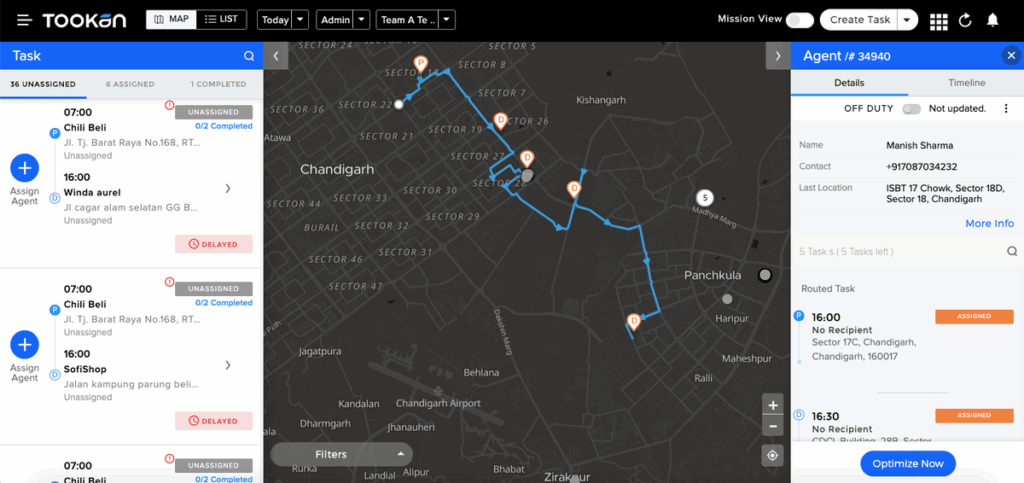
This approach reduces delivery times significantly while keeping costs under control. In the context of hyperlocal delivery e-commerce, intelligent routing is essential to maintaining both speed and margins.
Automated Dispatch and Batching
Automated dispatch ensures drivers are always assigned optimal routes with minimal idle time. By batching nearby orders, businesses reduce fuel usage and increase deliveries per hour—making urban fulfillment more sustainable and scalable.
3. Quick Commerce Becomes a Mandatory Channel
In 2026, quick commerce is no longer optional. If a brand cannot deliver within 30 minutes, it risks losing customers instantly. This reality has made quick commerce a core sales channel, powered by platforms like Jugnoo.
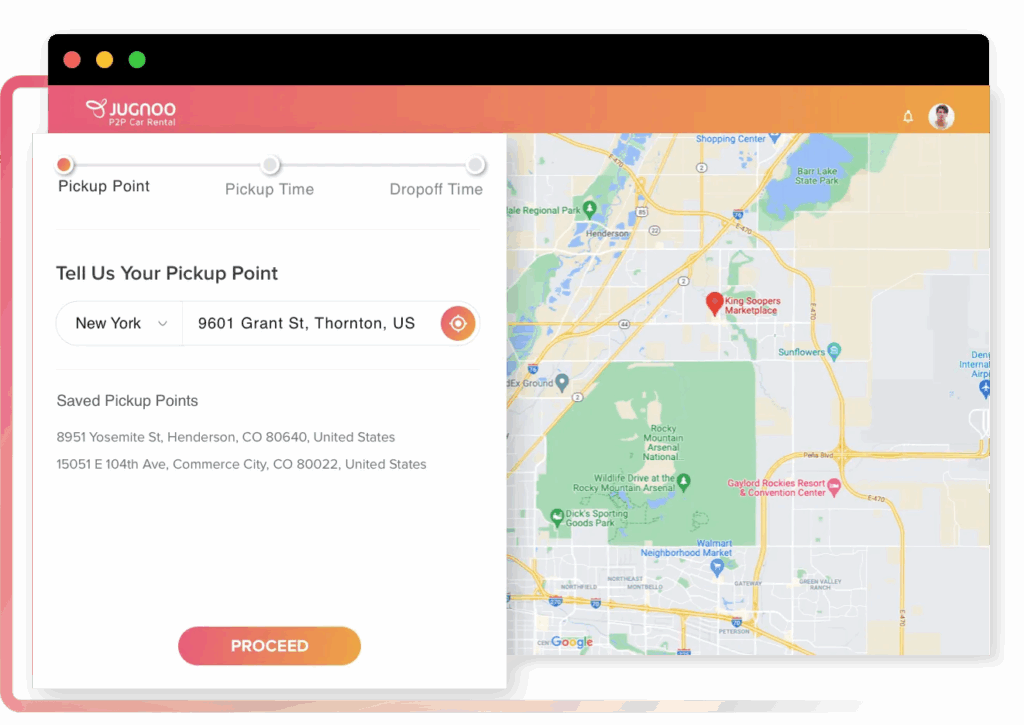
Jugnoo provides the on-demand mobility layer that connects local inventory with nearby drivers. Bikes and scooters replace trucks, enabling faster movement through dense city streets. This agility is what allows hyperlocal delivery e-commerce to meet rising consumer expectations.
Lowering the Barrier to Entry
By combining Yelo for storefront management and Jugnoo for delivery, even small local businesses can compete with large players. This democratization of technology has accelerated the growth of hyperlocal delivery e-commerce, leveling the playing field across urban markets.
4. Urban Micro-Fulfillment Network Design
To support growing order volumes, cities are adopting micro-fulfillment centers embedded within residential and commercial zones. These compact hubs are designed for speed, not scale.
Vertical Storage and Robotics
With space at a premium, micro-fulfillment centers rely on vertical storage and robotic picking systems. Orders placed through Yelo are processed in minutes, dispatched via Tookan, and delivered by Jugnoo drivers—often within a 15-minute window.
Keeping delivery radii under three kilometers is a core principle of this model. Shorter distances improve sustainability and efficiency, reinforcing the value proposition of hyperlocal delivery e-commerce.
5. Omnichannel Integration for Local Retailers
Consumers no longer distinguish between online and offline shopping. They expect a unified brand experience across all touchpoints. Omnichannel integration makes this possible.
With synchronized inventory and real-time updates, a purchase made in-store instantly reflects online. This prevents failed deliveries and enhances customer trust. For local retailers, omnichannel execution is now the foundation of competitive hyperlocal delivery e-commerce strategies.
Beyond technology, this integration strengthens communities. Local shops regain relevance by combining digital convenience with physical proximity—something large marketplaces cannot easily replicate.
Looking Ahead: What Comes Next
Several innovations will further accelerate urban commerce:
- Predictive Inventory: AI-driven demand forecasting to pre-stock local hubs
- Autonomous Delivery: Drones and robots managed alongside human fleets
- Sustainable Logistics: EVs and e-bikes becoming regulatory requirements
How Businesses Should Prepare
To succeed in this rapidly evolving environment:
- Audit your tech stack for real-time inventory and automated dispatch
- Focus on dominating a tight local radius rather than national coverage
- Use data to understand neighborhood-specific demand
- Invest early in green delivery solutions
Conclusion: The New Urban Commerce Reality
In 2026, the line between digital and physical retail has all but disappeared. The quiet movement of electric bikes and micro-fulfillment hubs tells a bigger story about how cities now function.
Hyperlocal delivery e-commerce is no longer a trend—it is the operating system of modern urban retail. Brands that embrace speed, intelligence, and locality will not just survive this shift; they will define the future of commerce.
Subscribe to stay ahead with the latest updates and entrepreneurial insights!
Share this article:


Subscribe to our newsletter
Get access to the latest industry & product insights.
You may be interested in these articles
-
Yelo4th February 2026
How to Create Online Ordering for a Restaurant (That Gets Results)In the modern food service landscape, online ordering for restaurants has.. [..]Read story
-
Yelo28th January 2026
How AI Is Transforming Hyperlocal Marketplaces in 2026: From Personalisation to Autonomous DeliveryUrban commerce in 2026 is no longer defined by distance—it’s defined by.. [..]Read story
-
Yelo21st January 2026
Beyond the Storefront: How Direct-to-Consumer (D2C) Brands Are Reclaiming Their Margins in 20261. Introduction: The Great Decoupling of D2C Brands By 2026, the digital.. [..]Read story
-
Yelo7th January 2026
Mastering Hyperlocal Commerce: Proven Growth Strategies to Boost Orders for Local Businesses in 2026In the digital landscape of 2026, the way we perceive local commerce has.. [..]Read story